Many Americans dream of owning a secondary property as a perfect escape. But, protecting this asset is more than just owning it. You need specialized vacation-home-insurance to guard your financial future from unexpected events.
Even if you own your getaway property outright, basic protection is not enough. Many standard policies don’t cover the unique risks of seasonal homes. Getting comprehensive risk coverage keeps your investment safe from natural disasters, theft, or liability claims when you’re away.
Acting now can save you from future headaches. By understanding your secondary dwelling’s specific needs, you can create a strong safety net. Let’s look at how to find the right coverage and get the peace of mind you deserve.
Key Takeaways
- Secondary properties face unique risks that standard policies often overlook.
- Securing specialized coverage is essential for protecting your financial assets.
- Comprehensive risk coverage provides broader protection against unexpected perils.
- Full ownership does not eliminate the need for a dedicated policy.
- Proactive planning helps you avoid costly gaps in your property protection.
Understanding the Unique Risks of Vacation Properties
Owning a vacation home brings joy but also unique insurance challenges. Unlike a standard home, a vacation property often sits empty for long periods. This changes how carriers evaluate your risk profile.
Choosing the right second home insurance is key to protect your investment. By understanding these specific vulnerabilities, you can keep your financial security strong. This is true, no matter how often you visit.
Distinguishing Between Primary and Secondary Residences
Insurance companies see a secondary residence differently than a primary home. A primary home is occupied daily, allowing for quick response to issues like burst pipes or minor leaks.
A vacation property, however, may sit empty for months. This lack of daily oversight means small problems can turn into major damage before they’re found.
Identifying Environmental Hazards Based on Location
Your property’s location greatly affects your coverage needs. Coastal seasonal homes face threats like hurricanes or storm surges. Mountain cabins, on the other hand, are at risk from heavy snowfall or wildfires.
It’s crucial to assess these regional hazards to ensure your policy covers you well. Ignoring local environmental risks can leave you with big gaps in coverage when you need it most.
Calculating Replacement Cost Versus Actual Cash Value
When setting your policy limits, it’s important to understand the difference between replacement cost and actual cash value. Replacement cost covers rebuilding your home with similar materials without depreciation.
Actual cash value, on the other hand, considers your property’s age and condition. This may result in a lower payout after a loss. Choosing the right valuation method is key to securing your secondary residence against financial loss.
Determining the Impact of Occupancy Frequency
The frequency of your visits affects your insurance premiums. Properties used as short-term rentals or left vacant for long periods have higher risk ratings. This is compared to homes visited more often.
Insurers adjust your rates based on how often the home is occupied and monitored. By maintaining your seasonal homes well and keeping your insurer informed, you can manage your insurance premiums better over time.
Key Components of Vacation-Home-Insurance
Protecting your vacation home starts with understanding your vacation-home-insurance policy. It has key parts that work together to keep your home safe. Knowing these parts helps you choose the right coverage and deductibles.
Dwelling Coverage for Structural Damage
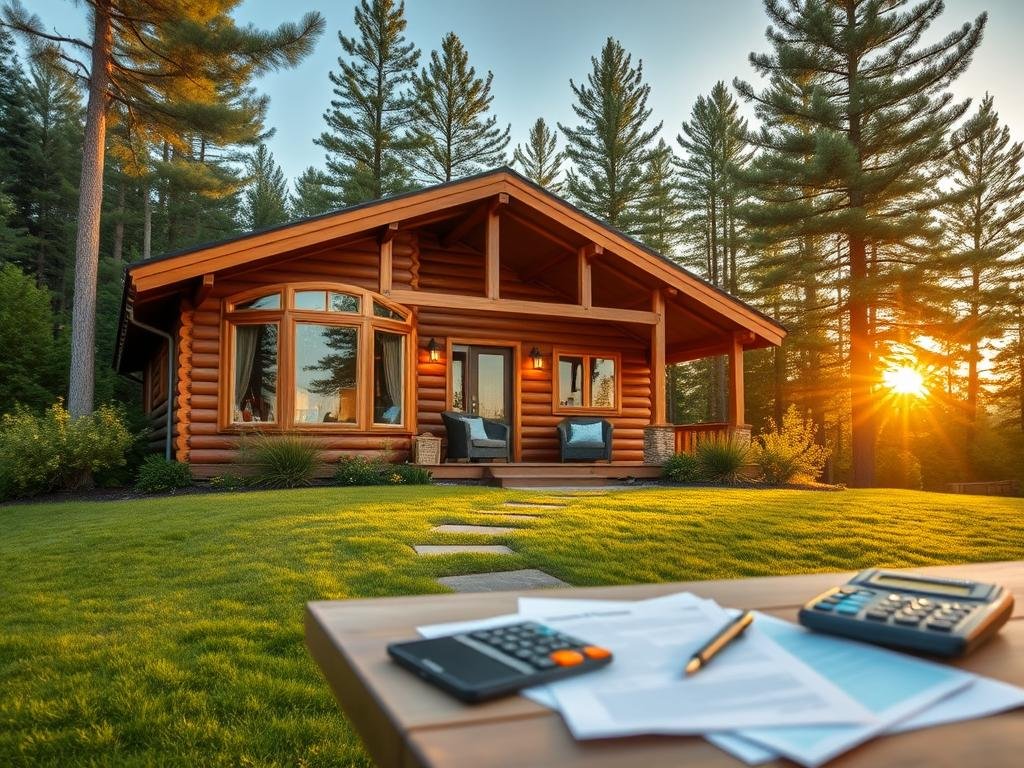
The heart of your policy is dwelling coverage. It protects your home’s structure. If damage happens from covered perils like fire or storms, it covers repair or rebuilding costs.
Make sure your policy limits match the current construction costs in your area. This ensures your home can be fully restored after a disaster. Adequate structural protection saves you from big expenses during tough times.
Personal Property Protection for Furnishings and Equipment
Your policy also covers your home’s contents with personal property protection. This includes furniture, appliances, and more. If these items get stolen or damaged, your insurer will help replace them.
Inventory management is crucial for this coverage. Keep a detailed list or video of your belongings. This makes filing claims easier and ensures your coverage is accurate.
Loss of Use Coverage for Rental Income Interruption
If you rent your home, loss of use coverage is essential. It helps if you can’t rent out your home due to damage. This coverage keeps your income steady while repairs are done.
This coverage also helps with extra living costs if you can’t stay in your home. Including loss of use coverage lets you manage your vacation home as a solid investment.
Evaluating Policy Exclusions and Limitations
Many homeowners think their property is fully covered, but policy exclusions often reveal the truth. It’s crucial to check your contract to make sure your dwelling coverage meets your needs. Ignoring these gaps can leave you at risk when you least expect it.
Understanding Standard Exclusions for Vacant Properties
Vacation home owners often face a big problem: vacant property exclusions. Most insurance policies don’t cover homes left empty for more than 30 to 60 days.
Empty homes are more likely to suffer damage, like burst pipes or break-ins. You must verify if your policy covers these risks. Without the right endorsement, your dwelling coverage might not apply to common accidents.
Addressing Gaps in Coverage for Natural Disasters
Most homeowners insurance doesn’t cover all natural disasters. Common exclusions include earthquakes, mudslides, and certain water damage.
Counting on a standard policy for all risks is risky. You should assess your property’s location for likely environmental threats. Proactive planning helps avoid unexpected losses.
The Role of Supplemental Wind and Flood Policies
If your vacation home is in a high-risk area, you’ll need more than a standard policy. Supplemental insurance is key to fill gaps left by policy exclusions for weather-related events.
Flood damage is usually not covered by standard policies, needing a separate policy. In hurricane-prone areas, a windstorm endorsement is essential. Securing these additions ensures your investment is safe, no matter the weather.
Steps to Secure Comprehensive Risk Coverage
Getting comprehensive risk coverage for your vacation home is easy if you follow a few steps. Organizing your information first helps you find the best protection. This way, you avoid common mistakes and keep your property safe from unexpected events.
Gathering Necessary Documentation for Your Property
Before talking to an agent, gather all the property documentation you need. Insurers need specific details to understand your home’s risk. Having these documents ready makes the process faster and helps get a more accurate quote.
- Current property appraisal or recent purchase agreement.
- Details about the age and condition of the roof, plumbing, and electrical systems.
- Documentation of installed security features, such as alarm systems or smart water sensors.
- Records of any recent renovations or structural upgrades.
Comparing Quotes from Specialized Insurance Carriers
Not all providers are the same for secondary residences. Look for carriers that specialize in vacation-home-insurance. This ensures they know the unique risks of seasonal properties. Comparing quotes helps you see different deductibles and coverage limits.
When looking at these offers, read the fine print carefully. Don’t just pick the cheapest option, as it might not cover everything you need. Make sure each quote clearly explains what’s covered and what’s not.
Reviewing Policy Endorsements for Enhanced Protection
Standard policies offer basic protection, but they might not cover everything. That’s where policy endorsements come in. These add-ons let you customize your comprehensive risk coverage to fit your specific needs.
Think about adding endorsements for:
- Water backup coverage for basement or pipe failures.
- Increased limits for high-value personal property or equipment.
- Liability protection for short-term rental activities.
- Coverage for equipment breakdown, such as HVAC or pool pump systems.
Talking to your agent about these options ensures your vacation-home-insurance fits your needs. Taking these steps gives you peace of mind that your property is protected all year.
Managing Liability Risks for Short-Term Rentals
Opening your home to guests means your insurance might not cover everything. Turning your property into a rental introduces new legal risks. Protecting your financial future is key, and managing these risks is crucial.
Assessing Premises Liability for Guests
Every guest who stays at your home brings potential premises liability risks. A slip on a wet deck or a trip over a rug could lead to big medical bills. It’s important to regularly check your home for hazards and fix them before they cause harm.
Think about adding non-slip mats, bright lights in hallways, and strong handrails on stairs. Keeping records of these safety steps can help if a problem arises. Proactive maintenance is your strongest defense against expensive lawsuits.
Determining if Commercial Liability Insurance is Required
Many homeowners think their personal insurance covers rentals, but this is often wrong. Most short-term rentals aren’t covered by standard homeowners insurance. You should check your policy to see if it includes business use.
If you rent out your place often, you might need commercial liability insurance. This insurance is made for the risks of hosting guests and running a business. Talk to a licensed agent to see if your current insurance is enough for your location.
Maintaining Your Policy and Updating Coverage
Your insurance policy is always changing and needs regular checks to stay effective. Treating your second home insurance as static can leave big gaps in your protection. By staying on top of things, you make sure your coverage matches your property’s current state.
Conducting Annual Reviews of Property Value
Market and construction costs change often, affecting your dwelling coverage needs. It’s crucial to review your policy limits yearly to keep up with inflation. If costs for materials or labor go up, your policy might not cover rebuilding your home fully.
Also, check your personal property protection limits. If you’ve bought new furniture, appliances, or electronics, your policy might not cover them. Updating these values helps avoid being underinsured in case of a big claim.
Notifying Your Insurer of Renovations or Security Upgrades
Talking to your insurance provider is key when you make changes to your property. Whether it’s a new deck or a smart alarm system, these changes can affect your insurance premiums. In many cases, modern security upgrades can lower your rates by reducing theft or fire risks.
Always tell your agent before starting big renovations to keep your coverage active during construction. Proactive updates give you peace of mind and help avoid claim denials. Keeping your insurer in the loop is the best way to protect your investment.
Conclusion
Owning a vacation home can be joyful and profitable. But, it needs careful management to avoid risks. You must keep an eye on your property’s specific needs for long-term stability.
Insurance companies like State Farm or Allstate have tools to help you. It’s important to understand your policy well to avoid any gaps in protection.
Shopping around for the best coverage is key to peace of mind. A well-protected property lets you enjoy your time away without worry about financial losses.
Regularly review your coverage limits and property value each year. You can talk to your insurance agent today about any changes or upgrades.
Keeping your policy up to date is the best way to protect your asset. Start reviewing it now to ensure your retreat remains safe for the future.